
"all aspects"
2000 article(s) found

Kilimanjaro coffee bean taste, Kilimanjaro coffee bean flavor
Kilimanjaro coffee bean taste, Kilimanjaro coffee bean flavor Tanzania: Kilimanjaro coffee flavor taste characteristics: soft acidity, attractive aroma. Coffee from Tanzania has long been loved by Europeans and is among the most famous products. Europeans give Tanzania a nickname for coffee gentleman, and Chinese coffee connoisseurs associate it with blue, the king of coffee.

Introduction to the characteristics of Kilimanjaro Coffee Flavor Manor with extraordinary quality
Chinese coffee network Tanzania coffee, has long been loved by Europeans, among the ranks of famous products. Europeans give Tanzania a nickname for coffee gentleman, and Chinese coffee connoisseurs call it the coffee swordsman with the coffee king Blue Mountain and the coffee lady's mocha. Mount Kilimanjaro in Tanzania is 5895 meters above sea level and is connected to Mount Meru.

Basic knowledge of all aspects of coffee
Linnaeus (Swedish naturalist) classifies coffee plants into the Rubiaceae family, such as gardenia. The great naturalist named it Coffea.

The relationship between healthy Coffee and the body
Caffeine can stimulate the central nervous system and muscles, can refresh the spirit, enhance thinking ability, and restore muscle fatigue. In cardiovascular aspect, it can improve heart function, dilate blood vessels and promote blood circulation. For the gastrointestinal system, it can help digestion and fat decomposition. According to the report, coffee contains four times more antioxidants than tea, which is more resistant to the heart.
Four major ways to preserve coffee beans no longer have to worry about coffee going sour
There are four major factors that affect the freshness of coffee beans, namely, light, oxygen, temperature and humidity. Therefore, all the preservation methods of coffee beans mentioned below revolve around these four aspects. 1. It is not recommended to save a lot of friends in the form of coffee powder, especially those who have just come into contact with the original coffee, buy coffee powder directly, and most of them can't drink it all at once. Actually, this pair of coffee

Coffee milk tea technology coffee bean baking technology Coffee planting technology Coffee blossom introduction
Making coffee is a very simple thing, but the trouble before and after making coffee is the most difficult thing. These two aspects are the technical difficulties of coffee (it is not difficult to understand that competitions such as WBC, which are set to three stages: preparation, production and cleaning, actually coincide with this truth). Mr. Wang Zhongyi often said that in his book "details determine success or failure".

What are the nine steps to distinguish between "good coffee" and "bad coffee"?
Clancy Rose, the second winner of the 2015 American Coffee Championship Roaster's Choice Award, teaches you to distinguish coffee from nine aspects: in addition to the differences in coffee beans themselves, coffee growth environment climate, aroma, drying treatment, storage time, etc. have an impact on coffee quality. How to judge good coffee and bad coffee? Finally, an expert was willing to make it clear! 20
Is coffee blending required to use coffee beans with their own characteristics?
1. Blending of raw beans requires the use of coffee beans with their own characteristics, and avoid using coffee beans with similar flavor. The selection of raw beans can be considered from three aspects: the treatment method of raw beans, that is, whether raw beans are treated by washing or drying, which has a lot to do with the flavor of coffee beans. Raw bean producing area: coffee producing area is generally divided into three major regions, including Central and South America, namely Pakistan.

What are the nine links to distinguish between "good coffee" and "bad coffee"?
Clancy Rose, the second winner of the 2015 US Coffee Championship Baker selection Award, teaches you to distinguish between good and bad coffee from nine aspects: in addition to the differences in coffee beans themselves, the growth environment, climate, aroma, drying and storage time of coffee all affect the quality of coffee. How to judge good coffee and bad coffee? Finally, an expert is willing to make it clear! 2015 American coffee

How to drink Kenyan Coffee how to make Kenyan Coffee beans by hand
Professional coffee knowledge exchange more coffee bean information please follow the coffee workshop (Wechat official account cafe_style) front street Kenya Karoguochong flavor today is Kenya AA Karoguto (Nyeri), [altitude] aspect Karoguto: 1800 meters, Azaria: 15501750 meters, are relatively high altitude

Basic knowledge of all aspects of coffee
Linnaeus (Swedish naturalist) classifies coffee plants into the Rubiaceae family, such as gardenia. The great naturalist named it Coffea. Although wild plants can grow as high as 10-12 meters, the plantations are about 3 to 5 meters high, with the exception of Colombia, where tree species rarely exceed 2 meters. This makes farming and picking easier and more economical to cultivate. Leaves

Basic knowledge about all aspects of coffee-baristas must see
Linnaeus (Swedish naturalist) classifies coffee plants into the Rubiaceae family, such as gardenia. The great naturalist named it Coffea. Although wild plants can grow as high as 10-12 meters, the plantations are about 3 to 5 meters high, with the exception of Colombia, where tree species rarely exceed 2 meters. This makes farming and picking easier and more economical to cultivate. Leaves
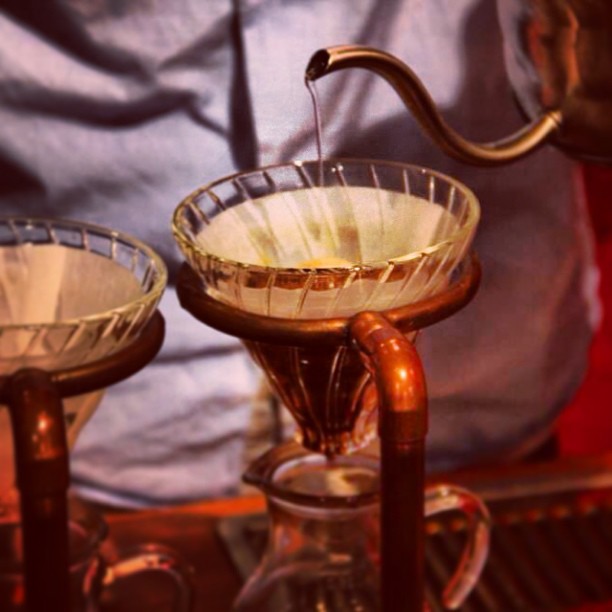
A comprehensive introduction to all aspects of coffee-coffee beginners must see the knowledge.
Linnaeus (Swedish naturalist) classifies coffee plants into the Rubiaceae family, such as gardenia. The great naturalist named it Coffea. Although wild plants can grow as high as 10-12 meters, the plantations are about 3 to 5 meters high, with the exception of Colombia, where tree species rarely exceed 2 meters. This makes farming and picking easier and more economical to cultivate. Leaves

Basic knowledge of all aspects of coffee decaf coffee
Linnaeus (Swedish naturalist) classifies coffee plants into the Rubiaceae family, such as gardenia. The great naturalist named it Coffea. Although wild plants can grow as high as 10-12 meters, the plantations are about 3 to 5 meters high, with the exception of Colombia, where tree species rarely exceed 2 meters. This makes farming and picking easier and more economical to cultivate. Leaves

Rich and refreshing Kilimanjaro Coffee Flavor description characteristics of Manor Taste treatment method in producing area
First: choose good quality coffee beans, because the use of poor quality coffee beans, of course, will greatly damage the flavor of coffee, even if the production of a very balanced single coffee, but also can not make delicious coffee, the choice of good quality coffee beans is the biggest point. Second: get rid of defective beans, mixed with defective beans, the taste will become worse. So we should get rid of the defective beans without stinginess.
The basic knowledge of coffee encyclopedia on all aspects of coffee
Linnaeus (Swedish naturalist) classifies coffee plants into the Rubiaceae family, such as gardenia. The great naturalist named it Coffea. Although wild plants can grow as high as 10-12 meters, the plantations are about 3 to 5 meters high, with the exception of Colombia, where tree species rarely exceed 2 meters. This makes farming and picking easier and more economical to cultivate. Leaves

Coffee Taste Coffee Bean Smell, Taste, Taste How should coffee beans be stored?
Coffee taste generally includes smell, taste and taste. There are 18 kinds of smells: animal smell, soot smell, burnt smell, chemical smell, chocolate, caramel smell, baked sweet potato smell, earthy smell, flower smell, fruit smell, grass vegetable smell, almond smell, sour smell, rubber smell, spicy smell, tobacco smell, wine smell, wood smell. The most basic flavors are: sour, bitter
Generally follow the principle when matching, the most commonly used original beans, Brazil, Colombia, mocha, Italian coffee.
Generally speaking, the following principles should be followed when matching: 1. Blending of raw beans requires the use of coffee beans with their own characteristics, and avoid using coffee beans with similar flavor. The selection of raw beans can be considered from three aspects: the treatment method of raw beans, that is, whether raw beans are treated by washing or drying, which has a lot to do with the flavor of coffee beans. Raw bean producing area: coffee producing area is generally divided into three major

A brief introduction to the Market Price of fragrant Kilimanjaro Coffee varieties in Tanzania
Workers earn their wages by collecting the number of coffee fruits. Small farm women use their hand-made sacks to bring coffee fruits to the farm to calculate capital. Tanzania's main coffee producing area is located at the foot of Mount Kilimanjaro, which is rich in volcanic soil. some coffee trees planted here are more than 100 years old. the earliest coffee was introduced by Christians from Kenya and began to grow coffee.
Nestl é purchases 4C certified Yunnan coffee beans
After several years of training and preparation, since the beginning of the 2014-15 procurement season, all coffee beans purchased by Nestl é in Yunnan have passed 4C certification. 4C is a widely accepted management rule in the world, which involves the sustainable development of all aspects of the supply chain, such as coffee cultivation, production, processing and marketing. More and more international coffee buyers require that the coffee they buy must meet the requirements of 4C or